What to know about tight access rubbish clearance Maida Vale
Posted on 02/06/2026
If you live or work in Maida Vale, you already know the charm comes with a few practical quirks. Beautiful terraces, narrow mews, shared entrances, basement flats, awkward rear lanes, and staircases that seem to go on forever. That is exactly why tight access rubbish clearance Maida Vale needs a different approach from a standard van-and-load job. The right plan saves time, prevents damage, and keeps the whole clear-out calm rather than chaotic.
In simple terms, tight access clearance means removing waste from spaces where a full-size vehicle, bulky equipment, or easy front-door access is not available. Think of old furniture in a top-floor flat, builders' rubble behind a narrow courtyard, or a house clearance where the only route out is a tight stairwell. Done well, it is efficient. Done badly, it can become messy very quickly.
This guide explains what to expect, how the process usually works, what to prepare in advance, and which mistakes to avoid. It also covers practical details that are easy to overlook, like safety, lifting limits, compliance, and how to compare options without getting caught out. Fair warning: the word "tight access" sounds modest, but the logistics can be surprisingly fiddly.
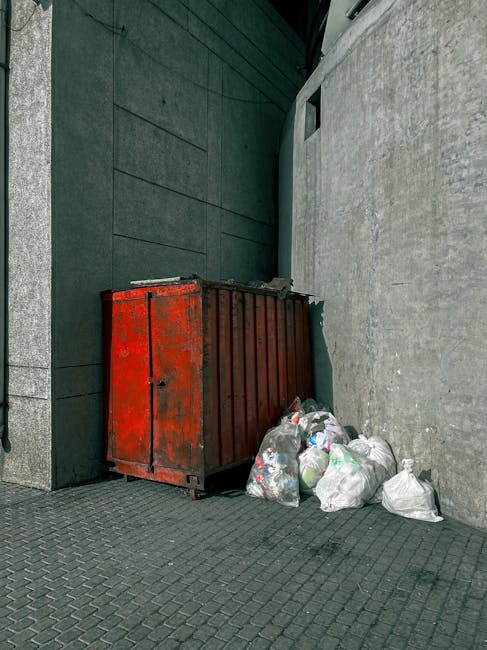
Why tight access rubbish clearance Maida Vale matters
Maida Vale has a very particular built environment. Many properties were designed long before anyone had to think about mattress-sized wardrobes, washing machines, or bags of renovation waste moving through the building. As a result, access can be the real challenge, not the rubbish itself.
That matters for three big reasons. First, it affects timing. A simple job can take longer when items must be carried carefully through hallways, down stairs, around parked cars, or through a side passage that barely feels wide enough for a wheelbarrow. Second, it affects safety. Tight corners, low ceilings, and uneven steps increase the chance of knocks, slips, or strain injuries. Third, it affects cost and planning. If access is difficult, a clearance crew may need more staff, more time, or a different loading method.
We see this most often with basement flats, mansion blocks, converted townhouses, and older terraces near busy local roads. Sometimes the issue is not the building itself but the street outside: restricted parking, narrow loading space, or a shared entrance that must be kept clear for neighbours. A good plan helps avoid that awkward moment when a sofa is halfway out the door and everyone realises it is not going anywhere without a rethink.
For a broader look at the kinds of services that can be adapted to different property types, it can help to review the services overview and, where relevant, the pages for house clearance in Maida Vale or furniture removal in Maida Vale.
Expert summary: Tight access clearance is less about brute force and more about planning, the right team size, and careful handling. In most cases, the job becomes easier once the route is properly understood.
How tight access rubbish clearance Maida Vale works in practice
Although every property is a little different, the process usually follows the same basic pattern. The key is to understand the access route before anything heavy is moved. That sounds obvious, but it is the bit people skip when they are in a hurry.
Typically, the job begins with a quick assessment. This may be done from photos, a call, or an on-site look around. The aim is to identify any pinch points: steep stairs, narrow landings, low door frames, tight rear access, locked communal entrances, or spaces where items cannot be turned safely. Once that is clear, the crew can decide how many people are needed and which items should be removed first.
In practice, the best approach is often a staged one. Large items may be taken out first, before smaller bags and loose waste. If a property has delicate walls, freshly painted banisters, or shared carpets, protection may be used to reduce scuffs. Where the access route is especially restrictive, it may make more sense to break down furniture on-site, remove items in smaller sections, or schedule the clearance for a quieter time of day.
For builders' waste, the same logic applies, just with a messier twist. Plasterboard, timber offcuts, broken tiles, and mixed rubble can be heavier than they look, so the route and load size matter more than people expect. You may find the most useful next step is to look at builders' waste removal in Maida Vale if your job involves renovation debris rather than household clutter.
A typical tight access clearance will also consider whether the waste can be sorted as it comes out. If recycling streams can be separated easily, the job tends to run more smoothly. That links naturally with the site's recycling and sustainability approach, which is worth keeping in mind if you want the disposal side handled responsibly rather than just quickly.
Key benefits and practical advantages
The biggest benefit of a well-managed tight access clearance is simple peace of mind. When access is awkward, small mistakes become big annoyances very fast. A chair dragged the wrong way can scrape a wall. A poor lifting plan can leave everyone tired and frustrated. A carefully managed job avoids that spiral.
Other benefits are less obvious but just as valuable:
- Less risk of damage: careful routing reduces knocks to doors, paintwork, flooring, and communal areas.
- Faster completion: a team that has planned the access route can work more efficiently, even if the job itself is physically demanding.
- Better safety: fewer improvised lifting moves means less chance of injury or dropped items.
- More accurate pricing: clear access details help avoid surprise charges later.
- Cleaner finish: a thoughtful clearance leaves the property usable afterwards, not half-finished.
There is also a practical comfort factor. If you are clearing a flat between tenancies, preparing a property for sale, or dealing with a family home after a long period of accumulation, the job can feel emotionally heavy as well as physically awkward. Tight access just adds pressure. The right support takes some of that weight off, quite literally.
If you are comparing options, it is sensible to review pricing and quote guidance alongside the service details. For anyone worried about insurance or handling, the page on insurance and safety is also worth a look.
| Access challenge | What it can affect | Best practical response |
|---|---|---|
| Narrow stairwell | Movement of sofas, wardrobes, appliances | Break items down, assign more handlers, protect corners |
| No parking near entrance | Loading time and carrying distance | Pre-plan vehicle position and loading route |
| Basement or lower-ground flat | Lifting effort, moisture, turning space | Use smaller loads and safer manual handling |
| Shared communal areas | Noise, damage risk, neighbour disruption | Use protection and work at suitable times |
| Rear access only | Trip hazards and limited turning room | Clear the route first and stage waste in sections |
Who this is for and when it makes sense
Tight access rubbish clearance is not a niche luxury service. It is the practical answer whenever the layout of the property makes waste removal tricky. In Maida Vale, that includes a lot of real-world situations.
You may need it if you are:
- clearing a top-floor flat with no lift
- removing bulky furniture from a narrow hallway or staircase
- dealing with a house clearance where the only exit is a tight side passage
- managing renovation waste from a basement or mews property
- emptying a rented flat quickly between tenancies
- sorting out a commercial space with awkward back-of-house access
It also makes sense when you want to minimise disruption. For example, if neighbours share entrances or if a building manager is sensitive about communal areas, a crew that understands access limits can work much more neatly. That can be the difference between a smooth morning and a full day of apologising to people in the stairwell. Nobody wants that.
If your clearance is business-related, a service such as commercial waste removal in Maida Vale may be more appropriate. For household bin-overflow or smaller mixed loads, domestic waste collection in Maida Vale can be a better fit.
Step-by-step guidance
If you want tight access rubbish clearance to go well, preparation matters more than people think. Here is a straightforward way to handle it.
- Identify the access route. Walk the route from the waste source to the vehicle or exit. Measure narrow points if you can. Note stairs, tight turns, low ceilings, and any locked areas.
- List what needs removing. Separate bulky items, bagged waste, appliances, and anything fragile. This helps with loading order and team size.
- Take a few clear photos. Pictures of the items and the access route are often more useful than a long description. If the route is awkward, show it plainly.
- Ask how the job will be handled. Will items be dismantled? Will extra staff be needed? Is there a preferred time for access or parking?
- Check what must stay. In a shared home or block, mark anything not to be touched. This avoids confusion. It really does.
- Prepare the area. Move small loose items out of the route, unlock gates where needed, and notify building staff or neighbours if appropriate.
- Confirm the waste type. Some loads contain white goods, furniture, garden waste, or builders' debris. Different materials may be sorted separately for handling and recycling.
- Review the price structure. Ask what affects the quote: access difficulty, labour time, item weight, parking constraints, or special handling requirements.
One small but useful detail: if you can open cupboards, cupboards under stairs, or storage rooms before the team arrives, do it. Hidden waste loves to appear at the end of a job, and somehow it is always heavier than it looked.
Expert tips for better results
There are a few habits that make a big difference with awkward-access clearances. Most of them are common sense, but common sense is easy to lose when a room is full of stuff and you just want it gone.
- Prioritise route clearance before item removal. It is quicker to move a couple of light obstacles first than to wrestle a wardrobe around them later.
- Use good photos. Wide-angle shots from hallway to exit, plus close-ups of tight corners, help the crew plan more accurately.
- Separate fragile and heavy pieces early. This reduces accidental damage and keeps the carry path cleaner.
- Think about timing. Early morning or quieter midweek slots can be easier if parking or communal access is a concern.
- Ask about dismantling. A table leg removed in advance can save a lot of grief. Tiny fix, huge difference.
- Leave room for the team to work. If every corridor is blocked, the job slows down fast.
In Maida Vale, where many streets and entrances are already compact, the most helpful mindset is to treat the clearance like a small moving operation rather than a simple collection. That shift in thinking tends to produce better results, fewer delays, and a much more relaxed finish.
For readers interested in the local area and property context around these kinds of homes, the broader guides on Maida Vale's neighbourhood character and the local property market can help explain why access issues crop up so often.

Common mistakes to avoid
Most problems with tight access rubbish clearance are preventable. The trouble is, they usually only become obvious once someone is already standing in a narrow hallway with a bulky item. Not ideal.
Here are the most common mistakes:
- Underestimating the route: people measure the item, but forget to measure the doorway, landing, or stair turn.
- Assuming one person can manage it: awkward clearance usually needs more than a single strong back.
- Leaving access details until the day of collection: this often leads to delays or a changed quote.
- Ignoring communal rules: in blocks or shared buildings, access windows and noise expectations may matter.
- Mixing different waste streams without telling anyone: appliances, builders' waste, and general rubbish should be identified clearly.
- Choosing purely on price: a cheap quote is less appealing if the crew is not prepared for the access limitations.
To be fair, these mistakes happen because people are often dealing with a deadline, a move-out, or a stressful clear-up. So this is not about blame. It is about not making a hard job harder than it needs to be.
If hidden extras worry you, there is a useful read on avoiding hidden charges in Maida Vale rubbish removal. It is a sensible companion piece for anyone comparing quotes.
Tools, resources and recommendations
You do not need specialist equipment to prepare for a tight access clearance, but a few practical tools and checks help a lot.
- Tape measure: useful for door widths, stair corners, furniture dimensions, and corridor pinch points.
- Phone camera: clear photos of the access route often prevent misunderstandings.
- Basic labels or notes: helpful if certain items must stay, be recycled, or be taken apart.
- Protective coverings: floor protection, blankets, or corner guards can reduce marks in fragile areas.
- Clear contact details for building access: especially useful for communal entrances or managed blocks.
From a decision-making point of view, the most useful resources are the pages that explain how a provider handles safety, compliance, and payment. Those areas matter more than many people realise, especially when the access is difficult and there is less room for error. A quick look at waste carrier licence and compliance, payment and security, and about us can give you a better sense of professionalism before you book.
For a service with a more complete picture of what the company handles, the main services overview is a good place to connect the dots. If your job is appliance-heavy, the page on white goods and appliance disposal in Maida Vale is especially relevant.
Law, compliance, standards and best practice
With rubbish clearance, compliance is not just a box-ticking exercise. It is part of protecting you, the property, and the people handling the waste. A reputable provider should be able to explain how waste is collected, transported, and passed into the correct disposal or recycling route. You do not need a lecture on legislation, but you do need confidence that the job is being handled properly.
In practical terms, that means looking for sensible signs of professionalism: clear identification of waste types, careful manual handling, appropriate vehicle use, and a proper approach to insurance. If waste is being moved from tight internal spaces, safe lifting and load management matter even more because the margin for error is smaller. This is especially true in shared properties where one wrong move can affect more than one household.
It is also good practice to avoid leaving bags or bulky items in communal areas longer than necessary. A tidy, controlled clearance reduces nuisance and keeps access routes open for everyone. That is just basic courtesy, really, but it also reflects well on the service.
For readers who care about responsible business practices, it may also be useful to look at the company's recycling and sustainability information and its modern slavery statement. Those pages do not change how a sofa is carried down stairs, obviously, but they do help you judge the wider standards behind the work.
And yes, a clear set of terms and conditions matters too. Especially when access, timing, or item type might affect how the job is delivered.
Options, methods and comparison table
There is no single right method for every awkward-clearance job. The best approach depends on access, item type, urgency, and how much disruption you can tolerate. Here is a practical comparison.
| Method | Best for | Pros | Possible drawbacks |
|---|---|---|---|
| Full-team manual clearance | Furniture, bagged waste, mixed household items | Flexible, careful, good for tight stairs and corridors | May take longer if the route is very restricted |
| Strip-down and sectional removal | Large wardrobes, beds, desks, bulky items | Gets awkward items out safely | May require more time on-site |
| Staged loading from a cleared holding area | Jobs with no direct vehicle access | Reduces repeated trips through the tightest point | Needs enough space to stage waste neatly |
| Smaller load / multiple-pass collection | Light mixed waste, limited access, busy streets | Very manageable, less disruption | Can be less efficient for very large volumes |
| Specialist appliance handling | Fridges, washing machines, cookers | Safer for heavy, awkward items | Requires clear item details in advance |
In many Maida Vale properties, the right answer is a blended method rather than one neat technique. A sofa may need to come apart. A few bags may be staged near the entrance. A washing machine may require separate handling. That is normal. Messy, yes, but normal.
If your situation is time-sensitive, you might also find the local write-up on same-day rubbish removal near Warwick Avenue helpful for understanding how quickly a well-planned job can move.
Case study or real-world example
Here is a realistic example from a type of job that comes up often in this part of London. A second-floor flat in Maida Vale needed a full furniture clear-out before new tenants moved in. The issue was not volume. It was access. The staircase was narrow, the landing turned sharply, and the building had a shared entrance that needed to stay tidy for neighbours.
The practical solution was simple but deliberate. The team first identified the largest items, then dismantled the bed frame and one wardrobe section on-site. Smaller pieces were grouped by route order so they could be moved out without repeatedly blocking the stairwell. Protective coverings were used at the main pinch point. The work was carried out in a way that kept the communal area passable, which mattered because a parcel delivery and a resident were coming and going at roughly the same time. Not glamorous, but that is real life.
The result was a tidy clear-out, minimal disruption, and no unnecessary wear to the walls or banister. The key lesson was that the job was never going to be solved by speed alone. It needed planning, patience, and a crew that understood how to work in tighter spaces.
If you want to understand the local context a little better, the article on life in Maida Vale gives a grounded view of how the area functions day to day, while this local clearance guide for Elgin Avenue shows how access and timing can shape the job.
Practical checklist
Use this checklist before booking or starting a tight access rubbish clearance in Maida Vale.
- Measure doorways, corridors, stair turns, and any side access.
- Take clear photos of the waste and the access route.
- Separate furniture, appliances, builders' waste, and general rubbish.
- Check whether anything needs dismantling before collection.
- Confirm parking or loading constraints near the property.
- Tell the provider about communal entrances, lifts, and restricted hours.
- Ask about insurance, waste carrier compliance, and how items will be handled.
- Review payment terms so there are no surprises later.
- Clear the route of small obstacles, loose rugs, and breakables.
- Let neighbours or building management know if the job may cause brief disruption.
That list might look basic, but it saves a lot of headaches. Really, the whole point is to remove friction before anyone starts lifting.
Conclusion
What to know about tight access rubbish clearance Maida Vale comes down to one simple idea: the challenge is rarely just the waste, it is the route out. Once you understand the property layout, the item types, and the likely pinch points, the rest becomes much more manageable. The best outcomes usually come from good photos, honest access details, a careful plan, and a team that knows how to work neatly in confined spaces.
Whether you are clearing a flat, handling renovation waste, or removing bulky furniture from a hard-to-reach property, the smartest move is to treat the job as a planned operation rather than a rushed collection. That approach protects the property, reduces stress, and usually gives you better value too.
If you want a clearer idea of what a tailored local clearance might involve, review the service pages, safety information, and pricing guidance before you decide. A little preparation now can make the whole thing feel unexpectedly straightforward. Well, as straightforward as moving a wardrobe down a narrow stairwell can ever be.
Get a free quote today and see how much you can save.
And if you are standing in a hallway wondering how on earth the sofa is ever going to make it out, take a breath. There is usually a way through, even if it is a slightly awkward one.